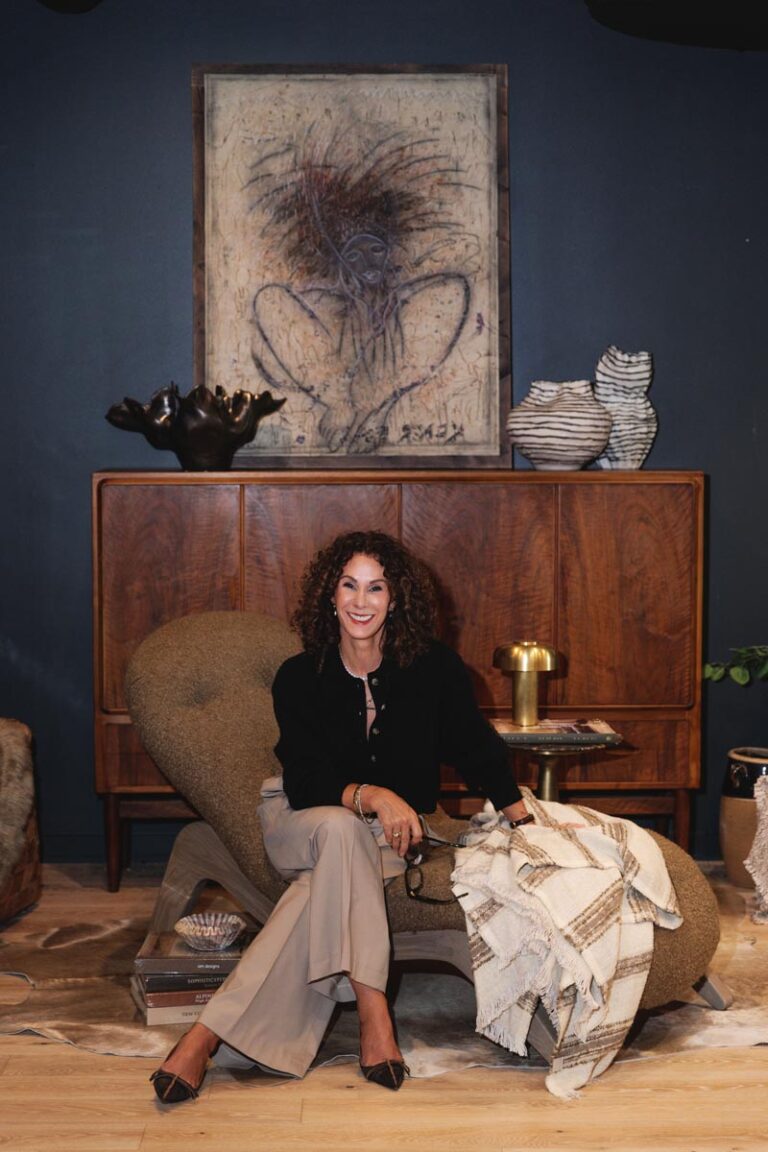
Lauren Karp does not experience the world quite the way most people do. And perhaps that is exactly why her work feels so transporting.
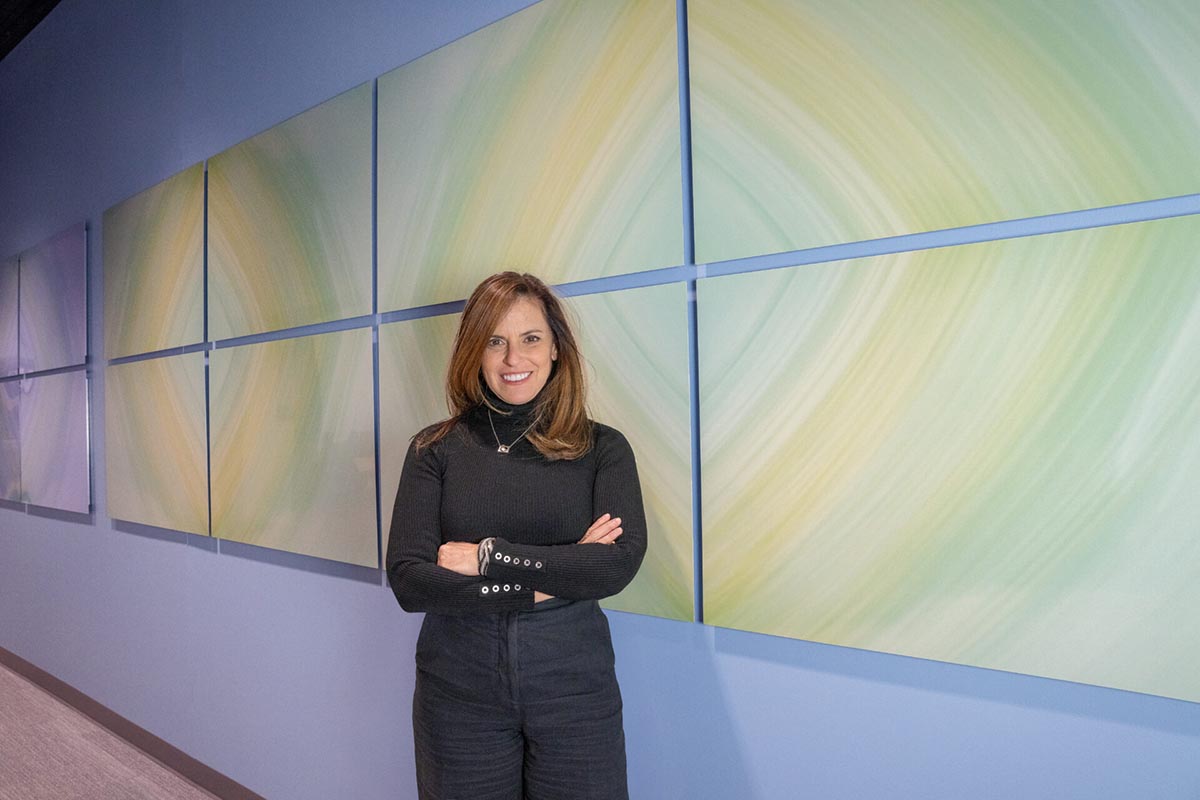
The Nashville-based artist and fine art photographer has built a growing international presence through her large-scale, immersive works that blur the boundaries between photography, abstraction and emotional landscape. Drawn from nature, architecture and movement, Karp’s images feel less like traditional photography and more like memory, atmosphere or fleeting sensation.
“It’s not so much what you actually see, but how you feel it when you’re there,” Karp says.
It is a perspective that has resonated far beyond gallery walls. This spring, Karp was selected as one of 20 featured artists in Loupe Art’s global World Art Day streaming event, receiving a dedicated 30-minute featured artist episode airing across multiple platforms. And currently she is in the middle completing one of the most ambitious commissions of her career: 24 original works for the new JFK Airport Terminal 6 in New York, including two massive immersive murals for TSA and customs corridors.
“There’s no feeling quite like seeing the work installed and knowing people from all over the world will experience it,” Karp says. “It will help them on their journey, get them excited about coming into the United States and hopefully give them something to think about when they leave.”
Though her current work feels distinctly contemporary, Karp’s creative instincts began long before photography entered the picture. As a child, she hand-painted sneakers and clothing, eventually turning the hobby into a business that helped put her through college. Later, she worked as art director for the North American division of an international fine art print and poster company based in Sweden, where she developed a deep understanding of visual storytelling, licensing and large-scale art production.
But photography itself arrived later.
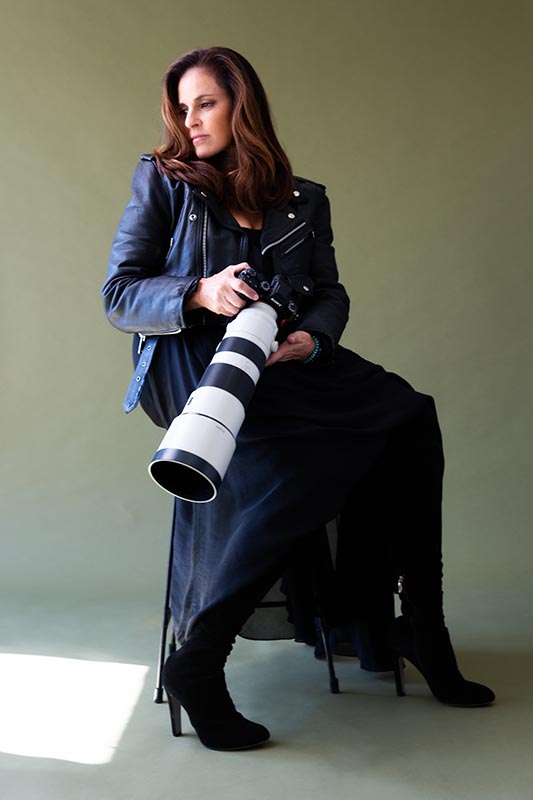
After moving to Nashville with her husband, a transplant surgeon recruited to Vanderbilt University Medical Center, Karp began spending her free time photographing wildlife and landscapes around Middle Tennessee, often driving back roads and sitting for hours in fields, parks and lakeside spaces searching for images that captured the emotional atmosphere she felt in nature.
The turning point came unexpectedly while sitting beside Percy Priest Lake during the pandemic.
“I remember thinking how beautiful it was, but I couldn’t capture that feeling with a traditional photograph,” Karp says. “So I tried to photograph it abstractly. When I looked at the image afterward, I felt something. That was the moment everything shifted for me.”
The resulting image — layered, painterly and emotionally evocative — would eventually become the first piece in her now-signature Imaginature process, an evolving technique that combines photography with digital manipulation, layering and abstraction to create works that often leave viewers questioning exactly what they are seeing.
“Sometimes people think it’s the ocean when it’s really a garden,” Karp says with a laugh. “I love that moment when someone stops and says, ‘What is that?’”
That sense of curiosity and emotional pause has become central to her work, particularly as her art increasingly moves into healthcare, hospitality and transportation environments designed to shape human experience.
At Vanderbilt University Medical Center, where several of Karp’s installations now hang throughout clinical and public spaces, she has witnessed firsthand how art can affect patients, staff and visitors navigating difficult moments.
“There was a woman who had been sitting in the hospital lobby for days under really painful circumstances,” Karp recalls. “She told me the artwork took her away for a moment and made her think about something else. That meant everything to me.”
Research increasingly supports what artists, designers and architects have long understood intuitively: art can reduce stress, improve emotional wellbeing and create a stronger sense of connection within public spaces. Karp has become especially interested in the role immersive visual environments play in healthcare settings and transportation hubs, where moments of calm and wonder are rare.
“People don’t always realize how much public art affects them,” Karp says. “It can lower stress, create joy, help people navigate spaces and even make them feel connected to something larger than themselves.”
That interest in the emotional atmosphere also connects deeply to Karp’s own experience with hearing loss, which began gradually in her thirties before eventually requiring hearing aids after moving to Nashville.
“Without my hearing aids, the world is pretty silent,” she says.
Rather than limiting her creative perspective, Karp believes the loss heightened her visual sensitivity and changed the way she processes the world around her.
“I think my visual sense became much more acute,” Karp says. “I miss a lot from a sound perspective, but I see everything.”
That heightened visual awareness is especially evident in the scale and movement of her newer work, including the JFK commission, where abstraction, color and layered imagery are designed not simply to decorate the terminal, but to emotionally shape the traveler’s experience moving through it.
For Karp, accessibility remains equally important. While her large-scale fine art installations now appear in hospitals, airports and private collections, she has also embraced digital streaming platforms, wearable art and product licensing as ways to make art feel less exclusive and more integrated into everyday life.
“I didn’t want my work to exist only for people who can afford a five- or ten-thousand-dollar piece of art,” Karp says. “For me, it’s less about exclusivity and more about accessibility.”
As her audience continues expanding globally, Karp remains focused on the same feeling that first struck her sitting beside Percy Priest Lake years ago: the search for emotional connection through image, color and wonder.
“I want people to stop for a second and feel something they haven’t felt before,” she says. “That sense of curiosity and discovery — that’s what keeps me creating.”